
LITO Knowledge Series 01 | Water-Soluble Fertilizer
Primary topic | Water-soluble fertilizer production line |
Search intent | Technical information / equipment selection / project planning |
Target audience | Fertilizer manufacturers, plant owners, engineers and project buyers |
Suggested URL | /news/what-is-water-soluble-fertilizer-production-line.html |
Quick Answer
A water-soluble fertilizer production line is an integrated manufacturing system used to produce fertilizers designed to dissolve rapidly and completely in water. For powder water-soluble fertilizers, a typical line combines raw-material feeding, dosing, mixing, screening, conveying, packaging, dust collection and automatic control. The exact configuration depends on the formulation, number and characteristics of raw materials, required capacity, dosing accuracy, packaging format and automation level. For NPK, NPK + TE and customized formulations, accurate dosing, uniform mixing, moisture management and reliable packaging are key design considerations.
1. What Are Water-Soluble Fertilizers?
Water-soluble fertilizers (WSF) are fertilizers formulated for dissolution in water before or during application. They are commonly used in fertigation, drip irrigation, greenhouse cultivation, hydroponics and other precision-fertilization systems.
· Water-soluble NPK fertilizers
· NPK fertilizers with trace elements (TE)
· High-nitrogen, high-phosphorus and high-potassium formulations
· Customized multi-nutrient formulations
· Powder and crystalline water-soluble fertilizers
Compared with many conventional bulk fertilizer processes, water-soluble fertilizer production often involves more components, smaller-dose ingredients and raw materials with different particle size, bulk density, flowability and hygroscopicity. This makes dosing accuracy, mixing uniformity, contamination control and moisture management especially important.
2. How Does a Water-Soluble Fertilizer Production Line Work?
Raw Material Preparation → Feeding → Dosing → Mixing → Screening → Conveying → Packaging → Finished Product
Depending on the formula and plant conditions, the line can also incorporate crushing, micro-component dosing, dust collection, metal detection, check weighing, robotic palletizing and centralized control. A production line should therefore be designed around the actual process rather than treated as a fixed set of machines.
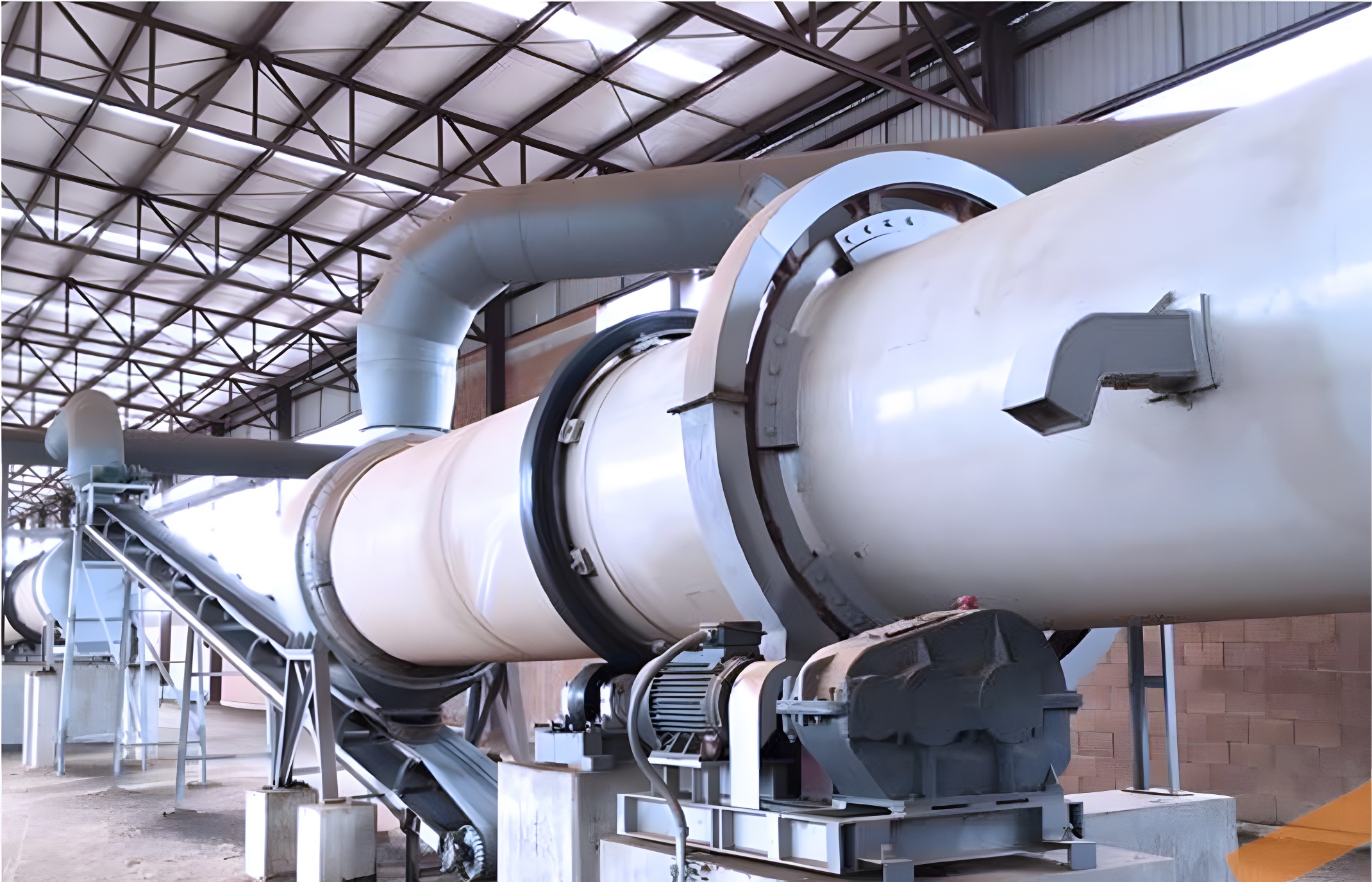
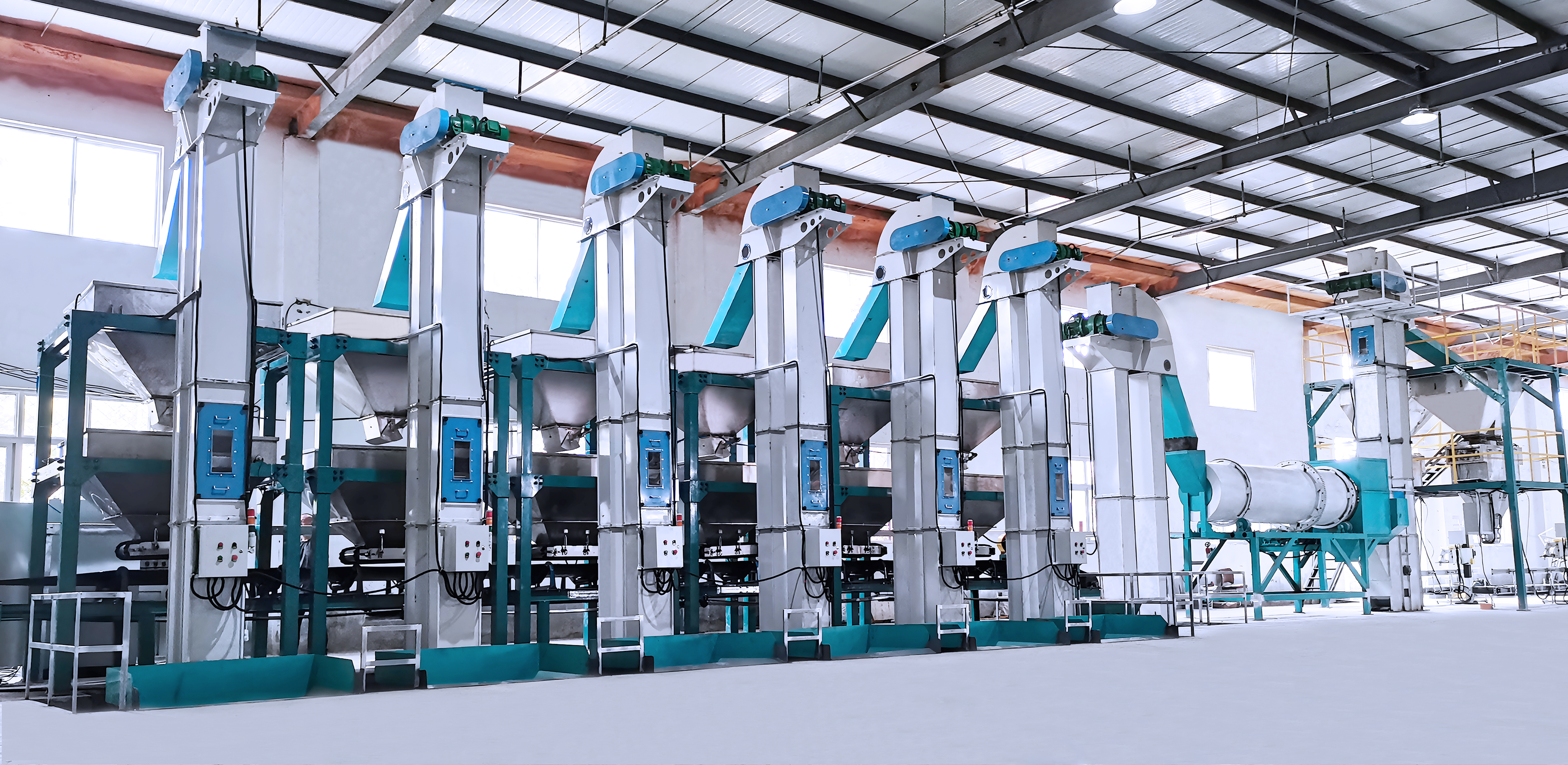
3. Main Equipment in a Powder Water-Soluble Fertilizer Line
Equipment | Main Function | Design Consideration |
Feeding / unloading system | Introduces bagged or bulk raw materials into the process | Bag dumping, big-bag unloading or feeding hoppers |
Dosing system | Measures each ingredient according to the recipe | Bulk and micro ingredients may require different dosing methods |
Mixer | Creates a uniform fertilizer blend | Selection depends on batch size, material properties and formula changes |
Screening system | Removes agglomerates or oversized particles | Position depends on raw-material and process conditions |
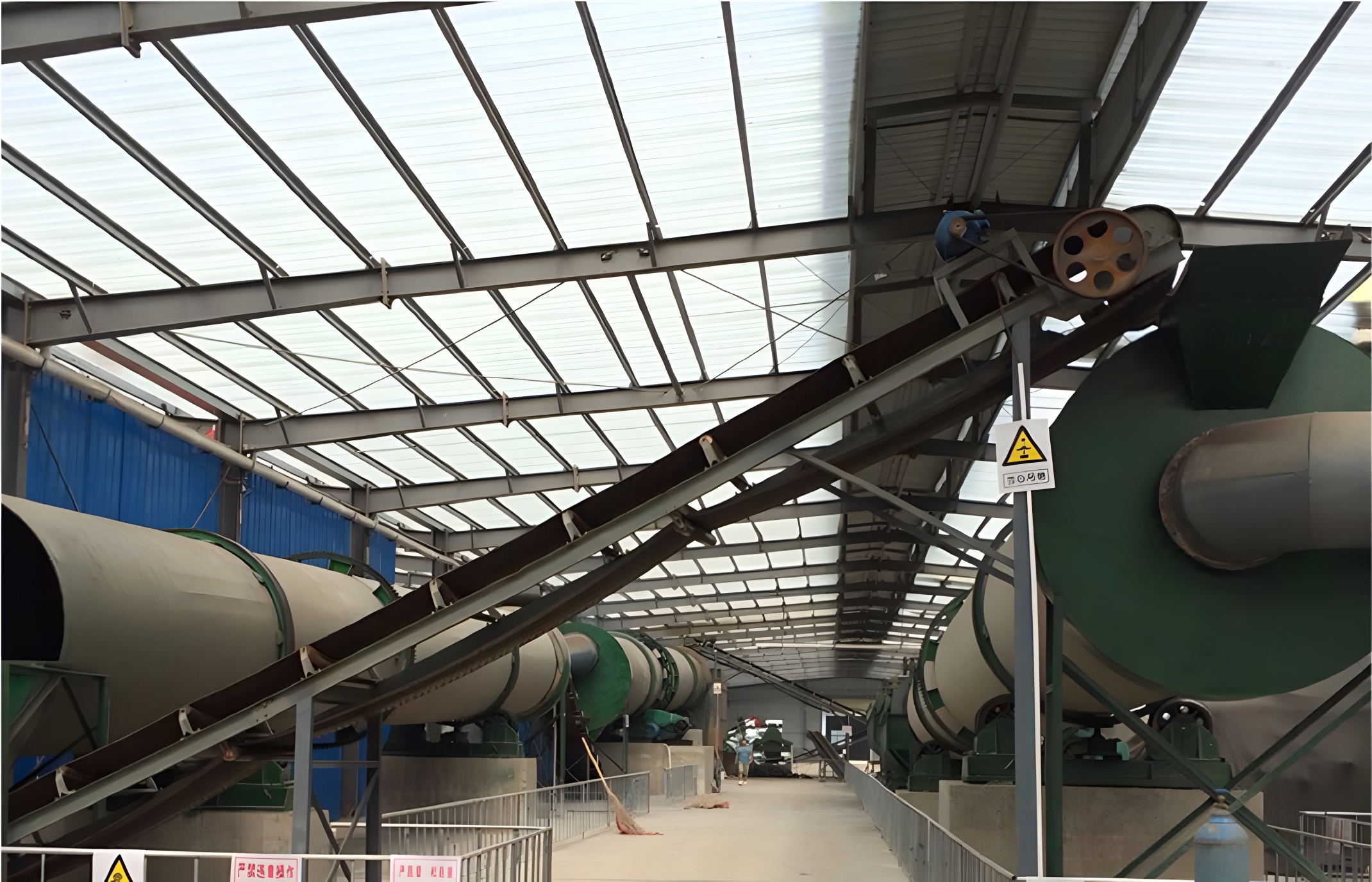
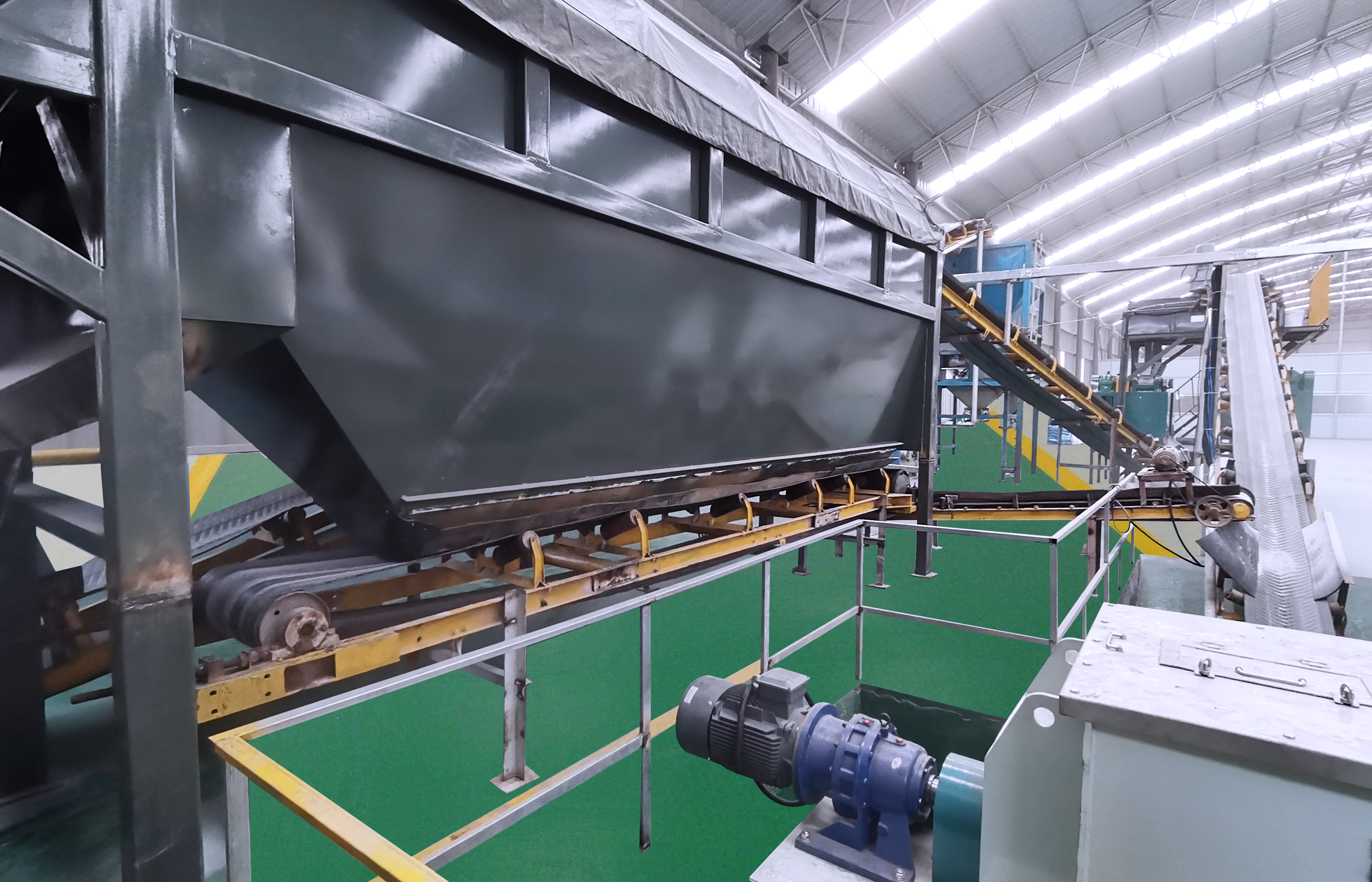
Conveying system | Transfers material between process stages | Should minimize segregation, dust and moisture exposure |
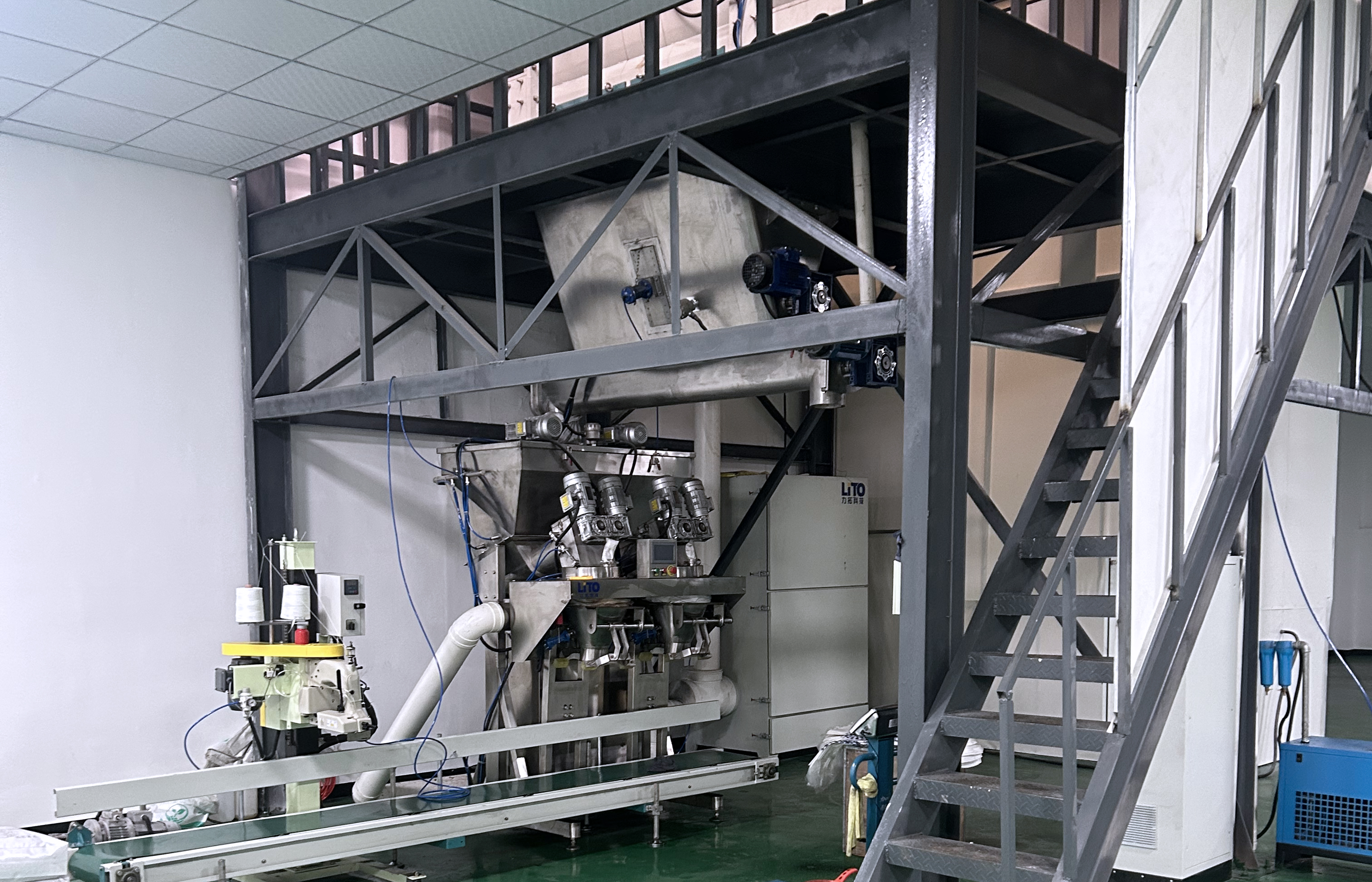
Packaging system | Weighs and packs finished fertilizer | Bag type, weight, speed and hygroscopicity affect selection |
Dust collection | Controls airborne powder at transfer points | Important for cleanliness and material recovery |
Control system | Coordinates recipes, weighing and production sequences | Supports repeatability and production records |
4. Why Is Accurate Dosing Important?
Water-soluble fertilizer formulations may contain several macro- and micronutrient components. An error in a major ingredient can change the target NPK ratio, while inaccurate addition of a low-percentage ingredient can affect the intended micronutrient concentration. For this reason, major raw materials and micro-components should not automatically be handled with the same feeding and weighing method. The dosing concept should be selected according to recipe range, batch size, material characteristics and required accuracy.
5. Why Is Mixing Uniformity Important?
The purpose of mixing is to obtain consistent nutrient distribution throughout the batch. Mixer performance is influenced not only by machine type but also by particle-size distribution, bulk-density differences, filling ratio, mixing time, feeding sequence and the tendency of the blend to segregate after discharge.
· Batch size and target capacity
· Number and proportion of ingredients
· Particle size and bulk-density differences
· Material flowability and hygroscopicity
· Required cleaning between formulations
· Frequency of recipe changes
6. Packaging Water-Soluble Fertilizer
Water-soluble fertilizers can be hygroscopic, so packaging design must consider both weighing performance and protection of the finished product. A typical packaging section can include automatic weighing, filling, bag closing or sealing, conveying, check weighing and palletizing.
Weighing → Filling → Closing / Sealing → Conveying → Check Weighing → Palletizing
The suitable packaging solution depends on the product's flowability and hygroscopicity, bag material, target bag weight, required throughput and accuracy. For a complete project, packaging should be evaluated together with upstream mixing and conveying rather than as an isolated machine.
7. How to Choose the Right Production Line
Before selecting equipment, a fertilizer producer should define the following project information:
· Product formulation and raw-material list
· Physical characteristics of each material
· Number of major and micro ingredients
· Required production capacity, such as 1–2 t/h or 5 t/h
· Batch size and required dosing accuracy
· Finished-product bag size and packaging type
· Available workshop dimensions and material-flow restrictions
· Required automation level
· Local electrical and environmental requirements
Two plants with the same nominal capacity may require different equipment because their formulations, raw materials, packaging and factory layouts are different. Capacity alone is therefore not sufficient for selecting a complete water-soluble fertilizer line.
8. LITO Engineering Approach
LITO Technology develops fertilizer production and downstream automation solutions based on the customer's actual process conditions. For a water-soluble fertilizer project, the engineering work can cover raw-material feeding, automatic batching, mixing, screening, conveying, packaging, palletizing, dust control and production-line integration.
Instead of selecting equipment only from a capacity figure, the process should first be evaluated from the formulation, material characteristics, factory conditions and required automation level. This helps determine a more appropriate equipment configuration and material-flow arrangement.
9. Information Needed for a Preliminary Line Configuration
To prepare an initial production-line proposal, the following information is useful:
· Fertilizer formulation or representative recipes
· Raw-material names and approximate percentages
· Target capacity
· Required bag sizes
· Workshop dimensions or layout drawing
· Preferred level of automation
· Existing equipment, if the project is an upgrade
With these inputs, the production process can be evaluated and a preliminary equipment configuration, process flow and layout concept can be developed.
Frequently Asked Questions
What equipment is needed to produce powder water-soluble fertilizer?
A typical line uses feeding, dosing, mixing, screening, conveying, packaging, dust collection and control equipment. Crushing, micro-dosing and palletizing can be added when required.
Can one production line manufacture different NPK formulas?
Yes. A properly designed batching and control system can support multiple recipes, but the dosing range, cleaning requirements and cross-contamination risk should be considered during design.
What production capacity should I choose?
Capacity should be selected from expected sales volume, working hours, batch size, packaging speed and future expansion requirements rather than from a single nominal output figure.
Is automatic dosing necessary?
It is especially useful for multi-component formulas, frequent recipe changes and plants requiring repeatable production. The appropriate automation level depends on the project scale and accuracy requirements.
Can an existing fertilizer plant be upgraded instead of building a new line?
Often yes. Existing feeding, mixing, conveying or packaging equipment can be evaluated to determine which sections can be retained and which should be upgraded or integrated.
· How Much Does a Water-Soluble Fertilizer Production Line Cost?
· How to Improve Mixing Uniformity in Water-Soluble Fertilizer Production
· Automatic Dosing Systems for Water-Soluble Fertilizer